

Most people don’t buy a fitness tracker because they want new gadget hardware — they buy one because something specific about their health habits isn’t working. Sleep feels inconsistent and nobody can say why. Motivation to move more keeps fading after a few weeks. A structured workout routine leaves them wondering whether they’re overtraining or genuinely progressing. Most tracker roundups skip straight to spec sheets without asking the more useful question first:
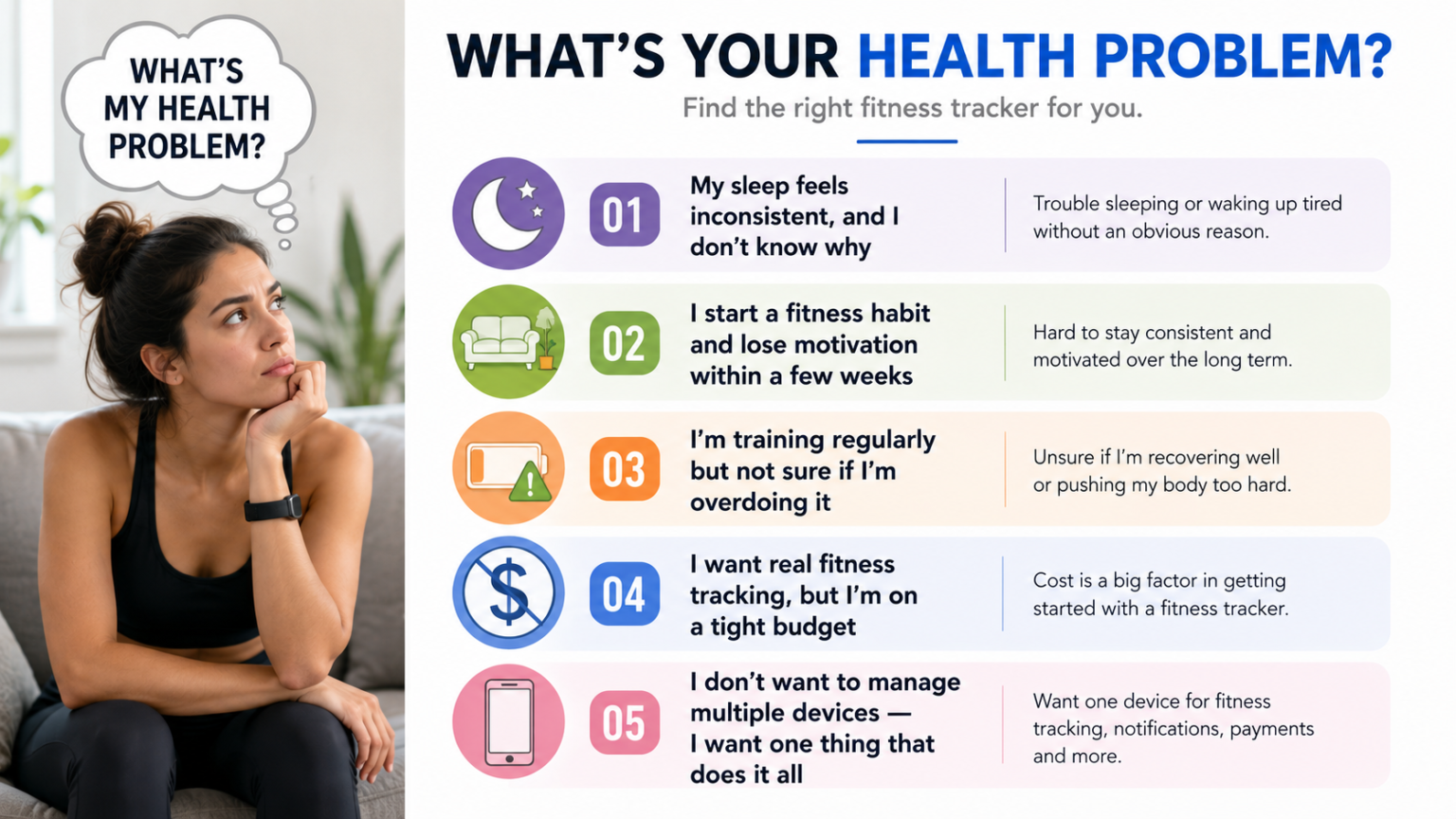
- Problem 1: “My sleep feels inconsistent, and I don’t know why”
- Problem 2: “I start a walking or exercise habit and lose motivation within a few weeks”
- Problem 3: “I’m training regularly but not sure if I’m overdoing it”
- Problem 4: “I want real fitness tracking, but I’m on a genuinely tight budget”
- Problem 5: “I don’t want to manage multiple devices — I want one thing that does fitness tracking and everything else”
- Matching Problems to Trackers: Quick Reference
- A Word on Solving More Than One Problem at Once
- FAQ’s
- Conclusion
What’s actually the problem you’re trying to solve?
Here are five common everyday health problems in 2026, and the specific fitness trackers built to solve each one.
Problem 1: “My sleep feels inconsistent, and I don’t know why”
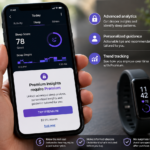
If you’re waking up tired without an obvious cause, the fix is a device specifically built to capture detailed sleep staging and recovery data — not just a basic “hours slept” number.
The right tracker: Oura Ring 5. Its ring form factor is genuinely comfortable for continuous 24/7 wear, including overnight, in a way most watches aren’t, and its sleep staging, recovery, and readiness scoring are a specific strength of the category rather than an afterthought feature.
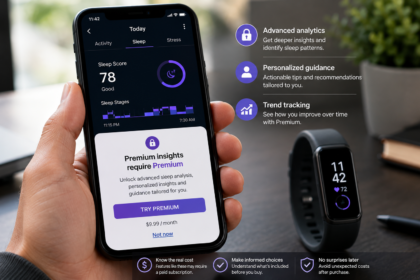
Where it falls short: The required $6/month or $70/year membership is mandatory, not optional — without it, the ring’s data insights aren’t meaningfully accessible, so the true cost is higher than the $399 hardware price alone suggests.
Problem 2: “I start a walking or exercise habit and lose motivation within a few weeks”
If your history with fitness trackers involves an initial burst of enthusiasm that fades quickly, the fix may be a genuinely low-friction device that doesn’t add its own complexity to the habit you’re trying to build.
The right tracker: The Google Fitbit Air. Its screenless, beginner-friendly design removes the temptation to obsess over detailed metrics or feel overwhelmed by a data-heavy app — it’s specifically built for people who want a gentle daily nudge without a steep learning curve.
Where it falls short: Some people find that a visible screen, showing real-time progress throughout the day, is actually more motivating than a screenless design — if that’s you, the Fitbit Charge 6’s small display might sustain motivation better than a screenless approach.
Problem 3: “I’m training regularly but not sure if I’m overdoing it”
If you’re pushing through workouts without a clear signal of whether your body has actually recovered, the fix is a device built specifically around recovery and readiness scoring, not just workout logging.
The right tracker: WHOOP 5.0. Its continuous heart rate variability, sleep, and strain monitoring feed directly into recovery and readiness scores designed to guide daily training decisions — telling you not just what you did, but whether your body is actually ready for more.
Where it falls short: WHOOP requires an ongoing subscription with no one-time purchase option, and it has no onboard GPS or screen, so it doesn’t solve the separate problem of wanting real-time pace or distance data during a workout itself.
Problem 4: “I want real fitness tracking, but I’m on a genuinely tight budget”
If cost is the primary barrier to getting started with a fitness tracker at all, the fix is choosing a device built around affordability first, without unnecessary premium features driving up the price.
The right tracker: The Google Fitbit Air, at around $100, or the Fitbit Charge 6, which has been seen discounted to as low as $99. Both cover the genuine basics — steps, heart rate, sleep — without a subscription requirement or premium price tag standing in the way.
Where it falls short: Budget-friendly options generally lack the deeper recovery coaching of WHOOP or the dedicated GPS accuracy of the Garmin Vivoactive 6 — reasonable trade-offs at this price point, but worth knowing upfront if your needs grow more advanced later.
Problem 5: “I don’t want to manage multiple devices — I want one thing that does fitness tracking and everything else”
If juggling a fitness band alongside your phone for notifications, payments, and apps feels like unnecessary redundancy, the fix is consolidating into a genuine smartwatch rather than a dedicated tracker.
The right tracker: Apple Watch SE 3 (for iPhone users). It offers full smartwatch functionality — notifications, apps, contactless payments, safety features like fall detection — alongside solid fitness tracking, positioned as Apple’s accessible entry point below the premium Ultra 3.
Where it falls short: Its roughly 18-hour battery life requires daily charging, a real departure from the multi-day battery life of dedicated fitness trackers — and it’s iOS-only, so it’s not an option at all for Android users regardless of how appealing the consolidation is.
Matching Problems to Trackers: Quick Reference
| Your Problem | Best-Fit Tracker | Not the Right Fit For |
|---|---|---|
| Inconsistent, poorly understood sleep | Oura Ring 5 | Anyone unwilling to pay the mandatory membership |
| Motivation fades within weeks | Google Fitbit Air | Anyone who’s motivated by seeing a visible screen |
| Uncertain if training or overtraining | WHOOP 5.0 | Anyone wanting real-time GPS/pace data during workouts |
| Genuinely tight budget | Google Fitbit Air or Fitbit Charge 6 | Anyone needing advanced GPS or recovery coaching |
| Wants one device for fitness + everything else | Apple Watch SE 3 (iPhone only) | Android users; anyone needing multi-day battery life |
A Word on Solving More Than One Problem at Once
It’s tempting to look for one tracker that solves every health-tracking problem simultaneously — sleep, motivation, recovery, budget, and device consolidation all at once. In practice, the trackers above are strong specifically because they were built around a particular priority. A device that claims to do everything well is more likely mediocre at each than genuinely excellent at any one. Identify which problem is actually affecting your daily life the most, and start there.
FAQ’s
What if poor sleep and low exercise motivation are both problems for me?
Prioritize whichever affects you more day to day. If sleep is the more persistent issue, start with the Oura Ring 5; if motivation is the bigger barrier, a lower-friction option like the Google Fitbit Air might be the better first step, with sleep tracking as a secondary benefit either way.
Can WHOOP’s screenless design work for someone who also wants real-time workout stats?
Not well — WHOOP’s lack of an onboard screen or GPS means it doesn’t display real-time pace or distance during a workout the way a Garmin or Apple Watch would. If both recovery coaching and real-time workout data matter to you, you may need to evaluate whether one device can reasonably cover both priorities for your specific situation.
Is a budget tracker like the Google Fitbit Air a downgrade if I later want more advanced features?
Not necessarily a downgrade — it’s a reasonable starting point for building a tracking habit. If your needs grow more advanced (structured training, deeper recovery data), you can upgrade to a more specialized device later without having wasted money on the initial affordable option.
Is it worth consolidating to a smartwatch if I mainly care about fitness tracking, not notifications?
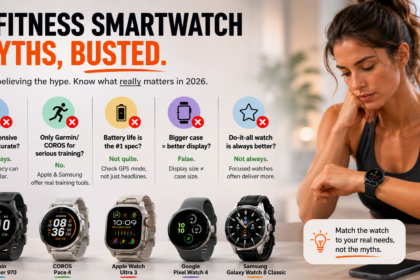
Probably not — if fitness tracking is genuinely your priority and you don’t care much about the smartwatch extras, a dedicated tracker with better battery life (like the Fitbit Charge 6 or Garmin Vivoactive 6) will likely serve that specific need more conveniently than a smartwatch requiring daily charging.
Conclusion
The fastest way to end up disappointed with a fitness tracker purchase is choosing based on overall reputation rather than the specific problem you’re actually trying to solve. Match the tracker to what’s genuinely bothering you — inconsistent sleep, fading motivation, uncertainty about overtraining, budget constraints, or wanting one device for everything — and you’ll get a tracker that actually earns its place on your wrist, not just one that topped a generic best-of list.
Pricing, specifications, and availability for fitness trackers change frequently and may have been updated since this article was published. Always verify current pricing and specs directly on the manufacturer’s or retailer’s official website before purchasing. This article is for informational purposes and does not constitute medical advice; consult a healthcare provider for health-related concerns.